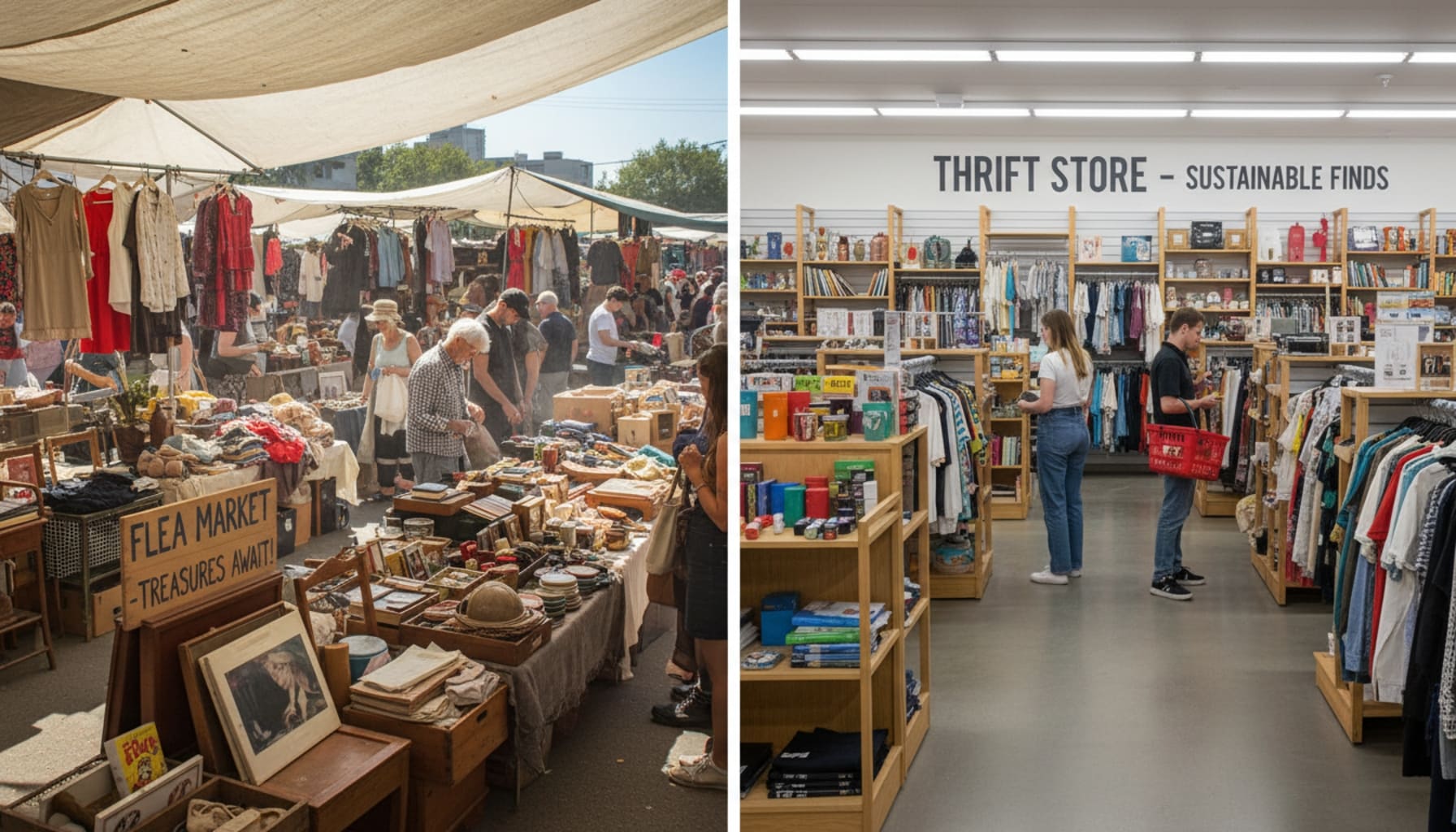
Shopping secondhand has become a mainstream habit in the United States. Whether driven by budget concerns, sustainability goals, or the thrill of finding something unique, more people are choosing alternatives to traditional retail. Two of the most popular options are flea markets and thrift stores.
At first glance, they might seem similar. Both offer used or vintage items, often at lower prices than retail stores. But in practice, flea markets and thrift stores are very different experiences. They differ in structure, pricing, item quality, social dynamics, and even the mindset required to shop successfully.
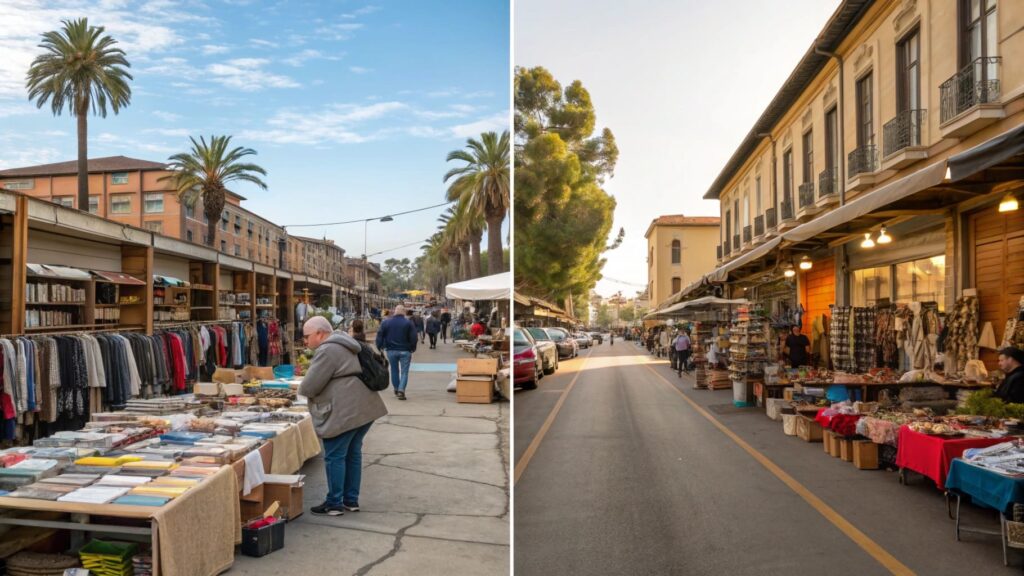
This guide takes an in-depth look at flea market vs thrift store, explaining what sets them apart, what you can expect to find at each, and how to decide which one fits your needs best.
What Is a Flea Market?
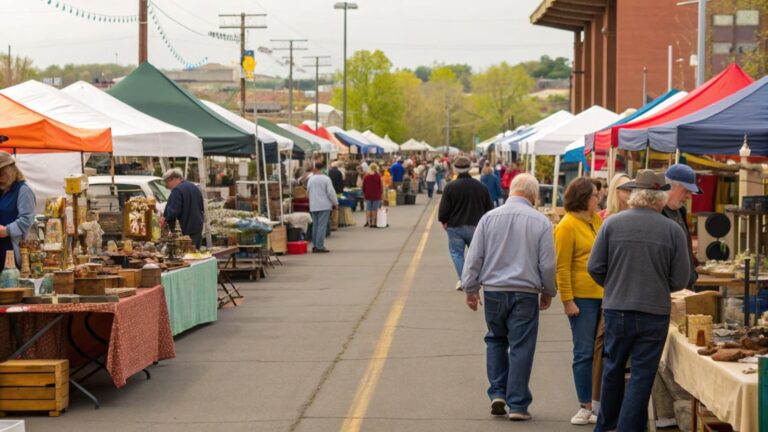
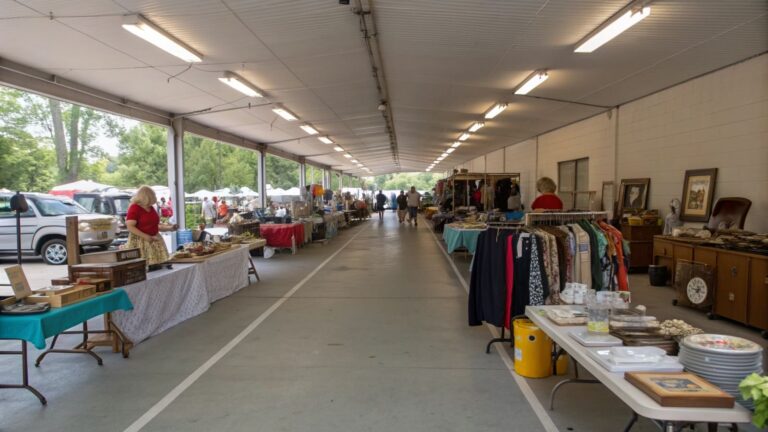
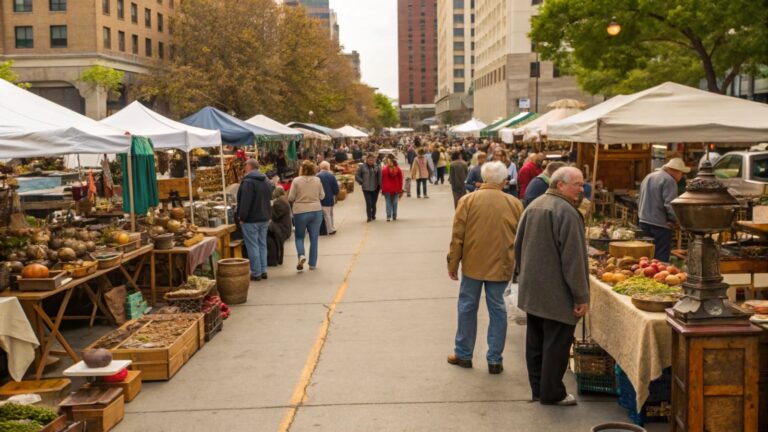
A flea market is typically an open-air or large indoor market where individual vendors rent booths or tables to sell goods. These markets can be held weekly, monthly, or seasonally and may range from small neighborhood setups to massive events with hundreds of sellers.
Common Flea Market Characteristics
- Independent sellers, not centralized ownership
- Items sold “as is”
- Negotiation and bargaining are common
- Inventory changes frequently
- Often cash-preferred, though many now accept digital payments
Flea markets are often informal and eclectic. One booth might sell antique furniture, while the next offers handmade crafts, tools, vinyl records, or used clothing. Some vendors are collectors, others are resellers, and some are simply clearing out personal belongings.
What Is a Thrift Store?
A thrift store is a retail shop that sells donated items, usually operated by a nonprofit organization, charity, or secondhand retail chain. Items are curated, priced, and displayed by store staff rather than individual sellers.
Common Thrift Store Characteristics
- Fixed pricing (no negotiation)
- Donations as the primary inventory source
- Indoor, organized retail environment
- Regular business hours
- Often supports a charitable mission
Thrift stores typically carry clothing, shoes, furniture, books, kitchenware, and small appliances. Because inventory depends on donations, selection varies, but the shopping experience is generally more predictable and structured than at a flea market.
Flea Market vs Thrift Store: Key Differences
1. Shopping Experience
The overall vibe is one of the biggest differences between flea markets and thrift stores.
Flea Market Experience
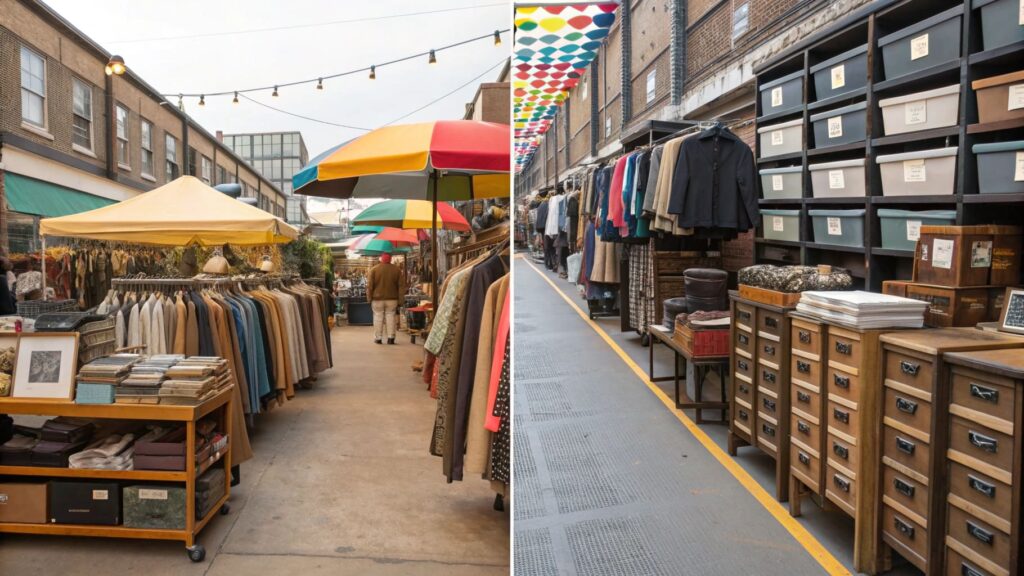
Shopping at a flea market feels exploratory. You walk through rows of booths, scanning tables filled with mismatched items. There’s often music, food vendors, and a lively social atmosphere. It can be exciting but also overwhelming.
Thrift Store Experience
Thrift stores resemble traditional retail stores. Items are categorized by type and size, aisles are labeled, and the environment is usually quiet and climate-controlled. It’s easier to browse efficiently, especially if you’re short on time.
2. Pricing and Negotiation
Flea Market Prices
Prices vary widely and depend on the seller, item condition, and perceived value. Bargaining is expected at most flea markets, especially for higher-priced items or bulk purchases.
Thrift Store Prices
Prices are fixed and usually marked clearly. Some stores run weekly discounts or color-tag sales, but negotiation is not allowed.
If you enjoy haggling and the chance to get a better deal through conversation, flea markets offer more flexibility. If you prefer transparent pricing, thrift stores are easier to navigate.
3. Item Quality and Condition
Flea Market Quality
Quality ranges from excellent to very poor. Some vendors specialize in well-maintained antiques or refurbished goods, while others sell items straight from storage or garage cleanouts. Inspection is crucial.
Thrift Store Quality
Most thrift stores inspect donations before putting them on the floor, removing items that are broken or unsafe. However, wear and tear is still common, especially with clothing.
In general, thrift stores provide a more consistent baseline quality, while flea markets offer higher highs and lower lows.
4. Types of Items You’ll Find
Clothing
- Flea markets often feature vintage clothing, handmade pieces, or bulk resale items.
- Thrift stores usually focus on everyday wear, brand-name clothing, and seasonal items.
Furniture
- Flea markets may have antiques, restored furniture, or unique statement pieces.
- Thrift stores typically offer practical furniture like tables, chairs, and shelves, with limited quantities.
Collectibles and Antiques
- Flea markets are better for collectibles, memorabilia, vinyl records, coins, and antiques.
- Thrift stores occasionally have collectibles, but they’re less common and often priced conservatively.
5. Inventory Turnover
Flea Market Inventory
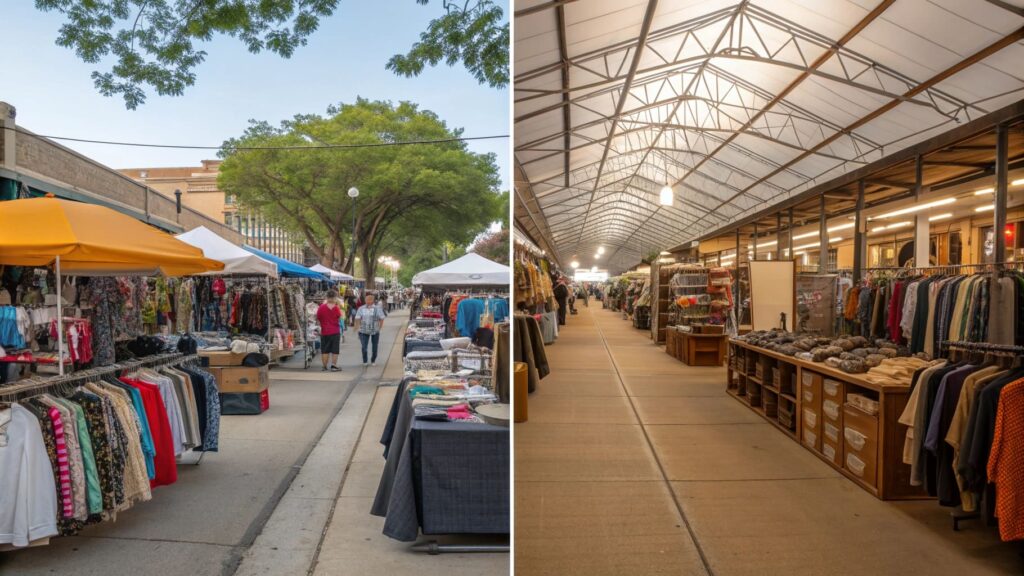
Inventory changes rapidly depending on which vendors show up each week. You might see entirely different items from one visit to the next.
Thrift Store Inventory
Inventory also changes frequently, but within a more predictable framework. Many thrift stores restock daily and rotate items throughout the day.
For frequent shoppers, both offer novelty, but flea markets tend to feel more unpredictable.
6. Social Interaction
Flea Markets
Expect conversation. Vendors often enjoy talking about their items, negotiating prices, and sharing stories. Shopping can feel social and personal.
Thrift Stores
Interaction is minimal and transactional. Staff members handle checkout, restocking, and store maintenance, but rarely discuss item history.
If you enjoy human connection while shopping, flea markets are more engaging.
7. Time Commitment
Flea Markets
Browsing a flea market can take hours. Finding good deals requires patience, walking, and careful inspection.
Thrift Stores
You can shop quickly and efficiently. Many people stop by for 20–30 minutes and leave with what they need.
Your available time can be a deciding factor between the two.
Pros and Cons of Flea Markets
Advantages
- Opportunity to negotiate prices
- Unique, rare, or one-of-a-kind items
- Strong local and cultural atmosphere
- Good for collectors and hobbyists
Disadvantages
- Inconsistent quality
- Limited return policies
- Weather-dependent for outdoor markets
- Requires more time and effort
Pros and Cons of Thrift Stores
Advantages
- Organized shopping environment
- Clear pricing
- Easier returns or exchanges (in some stores)
- Often supports charitable causes
Disadvantages
- Less unique inventory
- No negotiation
- Popular items sell quickly
- Quality can vary by location
Flea Market vs Thrift Store for Different Shoppers
Budget Shoppers
Both can be affordable, but thrift stores often offer lower baseline prices. Flea markets can be cheaper if you’re comfortable negotiating.
Vintage and Antique Enthusiasts
Flea markets are usually the better choice due to specialized vendors and wider selection.
Sustainable Shoppers
Both promote reuse and reduce waste. Thrift stores with nonprofit missions may align more closely with ethical goals.
Casual Shoppers
Thrift stores are easier and less demanding. Flea markets require a more intentional approach.
Tips for Shopping at a Flea Market
- Bring cash in small bills
- Inspect items carefully
- Don’t be afraid to negotiate politely
- Arrive early for the best selection or late for better deals
- Ask questions about item history
Tips for Shopping at a Thrift Store
- Visit regularly for fresh inventory
- Check all sections, not just your usual ones
- Inspect seams, zippers, and electronics
- Learn discount days and color-tag systems
- Keep an open mind
Which Is Better: Flea Market or Thrift Store?
There’s no universal winner in the flea market vs thrift store debate. Each serves a different purpose and shopping style.
- Choose a flea market if you enjoy discovery, conversation, and the hunt for unique items.
- Choose a thrift store if you value convenience, organization, and straightforward pricing.
Many experienced secondhand shoppers use both, depending on what they’re looking for and how much time they have.
Final Thoughts
Flea markets and thrift stores both play an important role in the secondhand economy. They encourage reuse, reduce waste, and offer alternatives to mass-produced retail goods. Understanding their differences helps you shop smarter and enjoy the experience more.
Whether you’re browsing a crowded flea market on a Sunday morning or stopping by a local thrift store after work, both options offer value beyond price. The real advantage lies in knowing when and how to use each one.