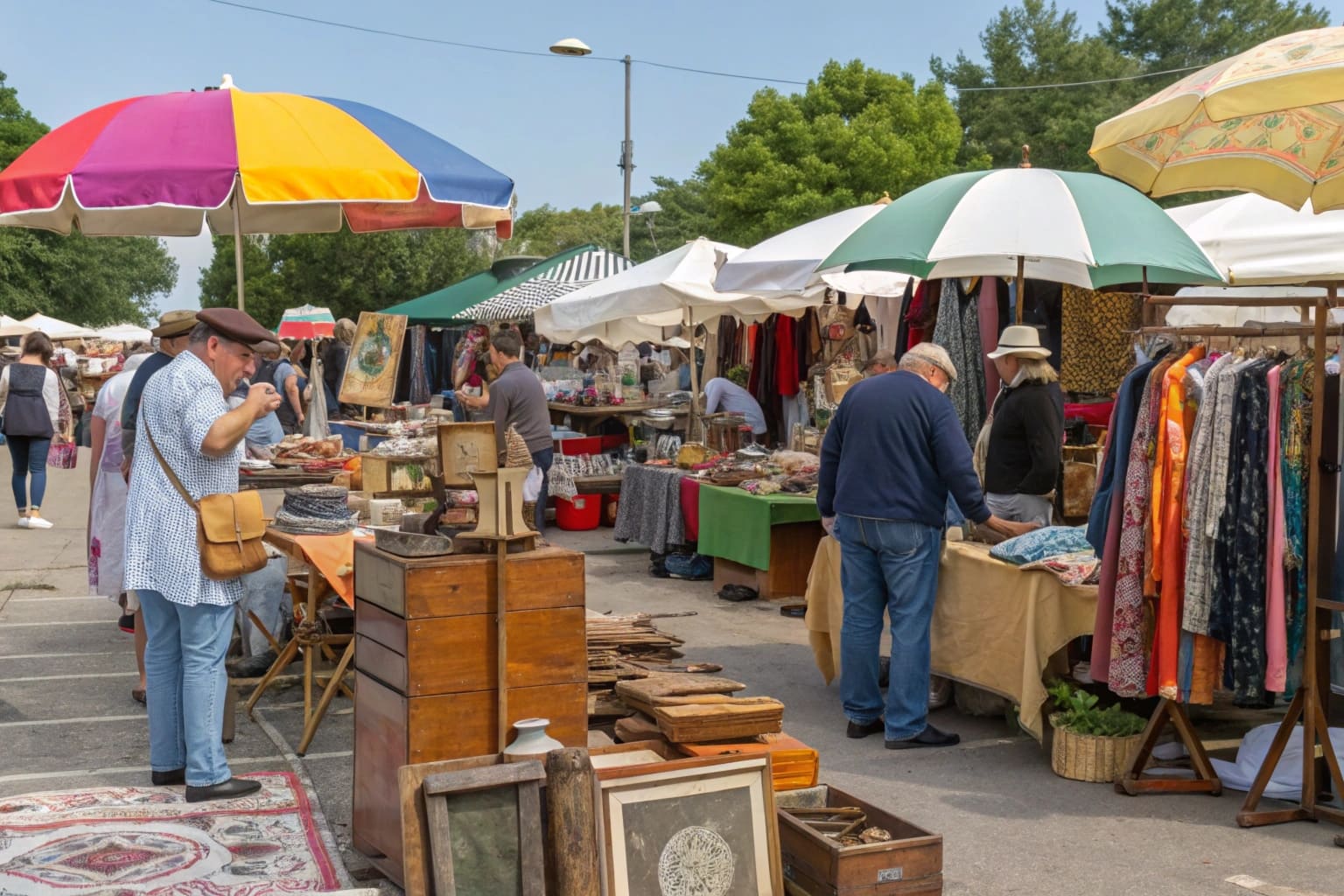
Flea markets attract bargain hunters, collectors, vintage lovers, and casual shoppers. If you’re wondering what sells the best at flea markets, this guide breaks it all down with comparisons, examples, and practical advice. By the end, you’ll know what items perform best, why they sell well, and how to shop or sell strategically.
What Is a Flea Market?
Origins and Background
Flea markets began as open-air markets where people sold secondhand goods and antiques. The term “flea market” is believed to come from markets with used items that “might contain fleas”—a humorous reference to their age.
Atmosphere and Experience
Expect an environment that is:
- Casual and friendly
- Busy and diverse
- Full of negotiation opportunities
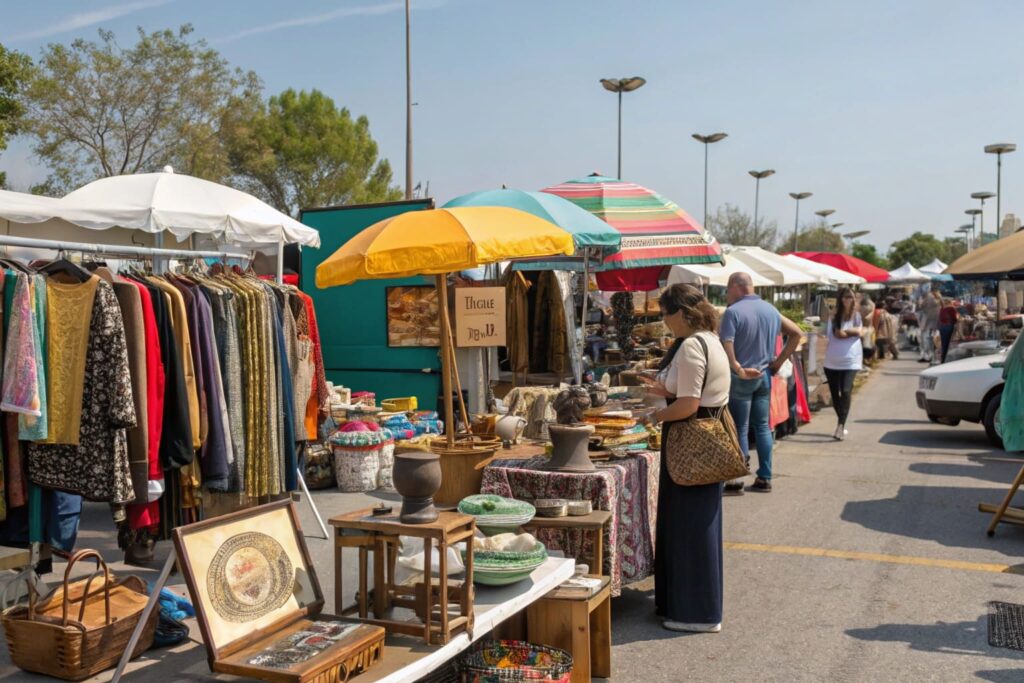
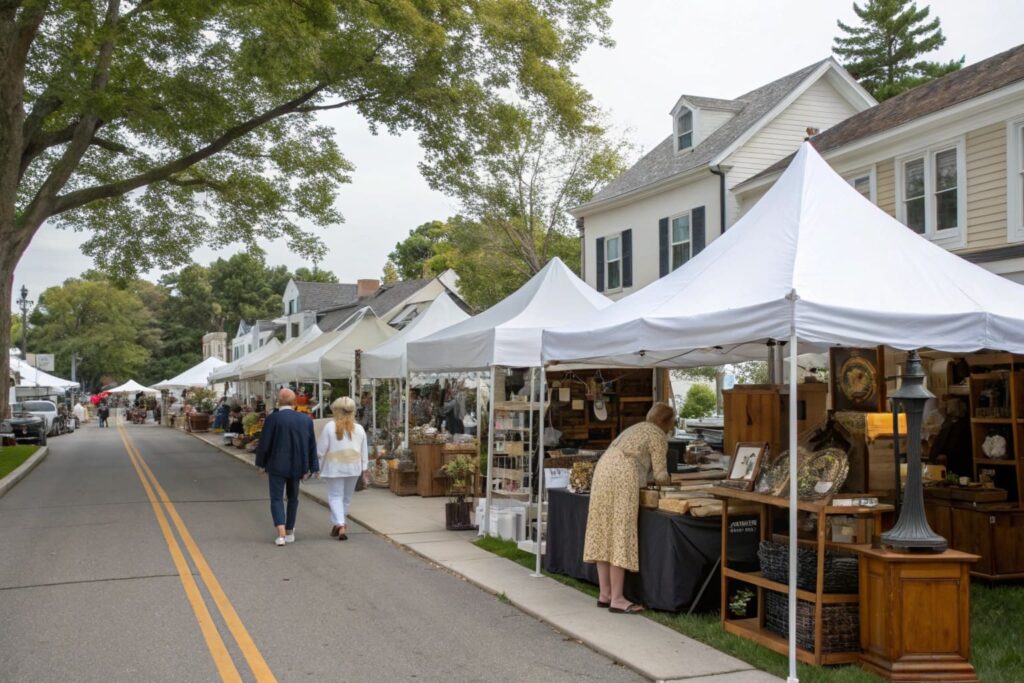
Some are rustic outdoor events, while others are organized indoor bazaars with curated stalls.
Types of Flea Markets and What Sells Best
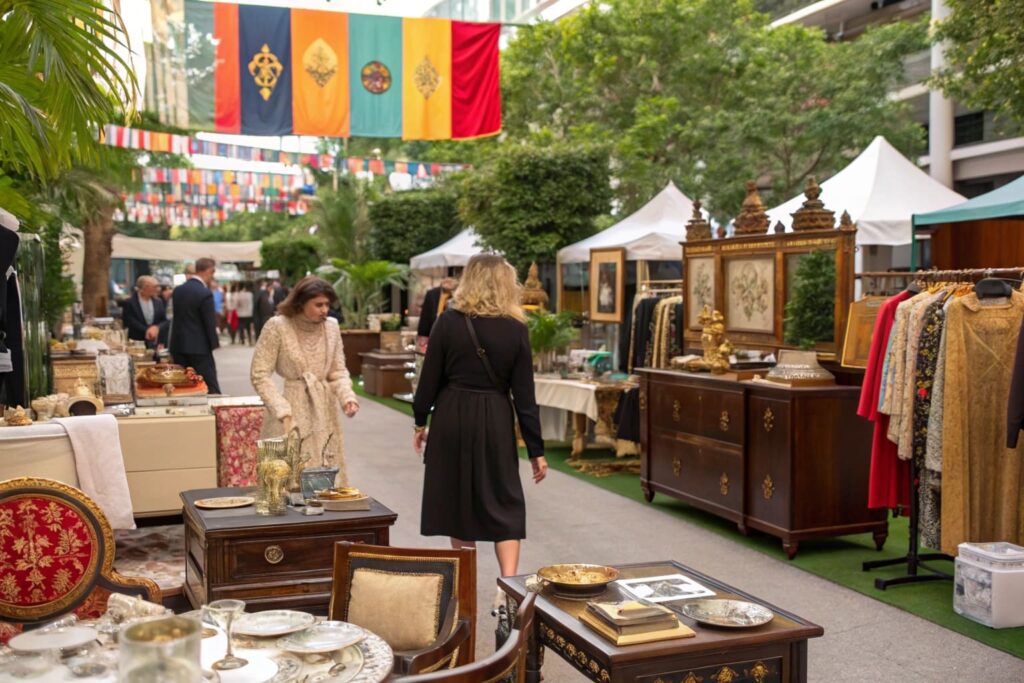
Antique & Collectible Markets
Best-selling items: vintage furniture, coins, stamps, vinyl records, antique jewelry.
Why they sell well: scarcity, unique value, and strong demand from collectors.
Vintage Clothing Markets
Best-selling items: retro denim, leather jackets, dresses, boots, accessories.
Why they sell well: sustainable fashion trends and affordable style.
Farmers’ and Local Producers’ Markets
Best-selling items: fresh produce, baked goods, cheeses, honey, jams.
Why they sell well: freshness, local production, and trust between buyer and seller.
General Flea Markets
Best-selling items: tools, electronics, kitchenware, books, décor.
Why they sell well: cheap prices and impulse buying from bargain hunters.
Handmade Artisan Markets
Best-selling items: candles, soaps, handcrafted jewelry, woodwork.
Why they sell well: unique gifts and artisan appeal.
Similarities and Differences Between Flea Market Types
Similarities
All market types share:
- Negotiable prices
- Sustainable reuse culture
- Social atmosphere
- High variety of goods
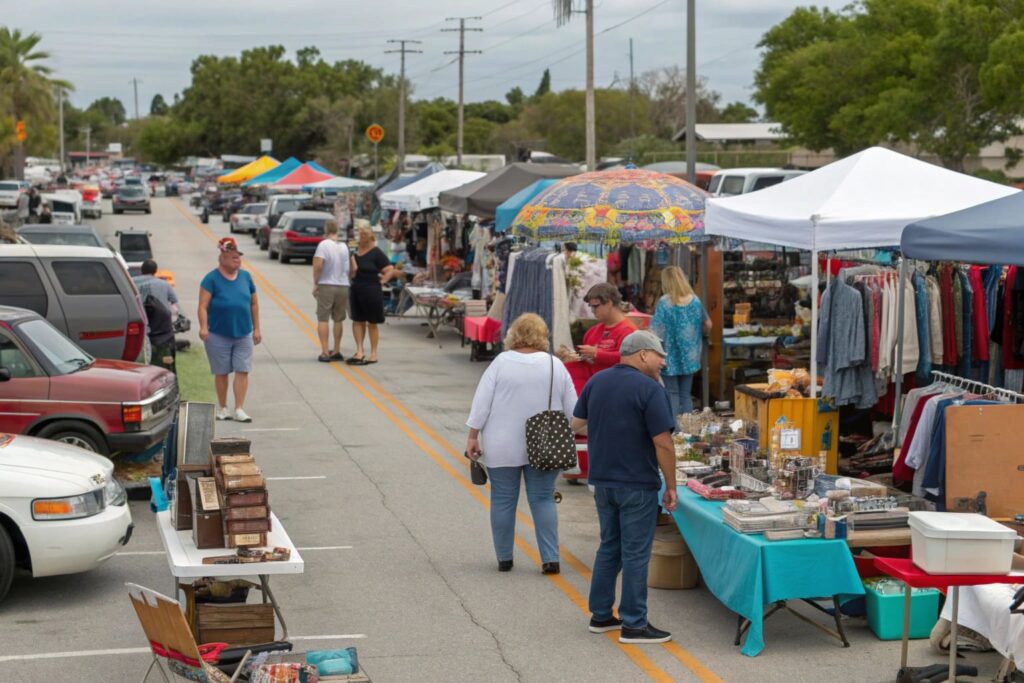
Differences
Key differences include:
- Audience: collectors vs. families vs. fashion lovers
- Profit margins: antiques yield high margins; general goods sell fast with low profit
- Seasonality: food markets depend on harvest cycles
- Setup: indoor vs. outdoor conditions
Comparison Table: What Sells Best at Different Market Types
| Market Type | Best-Selling Items | Audience | Strength | Weakness |
|---|---|---|---|---|
| Antique & Collectible | Rare furniture, vinyl, coins | Collectors, designers | High profit per item | Slow sales, needs expertise |
| Vintage Clothing | Retro clothes, boots, bags | Teens, eco-shoppers | Fast turnover | Condition varies |
| Food / Local Producers | Fresh produce, bread, cheese | Families, food lovers | Guaranteed demand | Perishable goods |
| General Flea Markets | Tools, décor, books | Bargain hunters | High foot traffic | Low margins |
| Handmade Artisan | Candles, soaps, jewelry | Tourists, gift buyers | Unique products | Competition is high |
Pros and Cons of Selling at Flea Markets
Pros
- Low startup cost
- Instant customer feedback
- Easy to test new products
- Builds local reputation and repeat buyers
Cons
- Unpredictable sales
- Weather risks (for outdoor markets)
- Competition can be intense
- Requires physical setup and teardown
Practical Tips for Visitors
Before You Go
- Research the market
- Bring cash and reusable bags
- Wear comfortable shoes
- Plan transportation for large items
While Shopping
- Negotiate politely; start 20–30% lower
- Inspect items carefully (electronics, seams, cracks)
- Arrive early for the best finds
- Arrive late for the best discounts
- Ask sellers about the history of items
Tips for Sellers to Maximize Sales
Presentation & Setup
- Keep your stall organized and visually appealing
- Use clear price tags
- Promote your booth on social media
- Offer bundle deals to increase sales
Product Strategy
- Know your niche (especially for antiques)
- Rotate inventory often
- Share the story behind items to increase value
Economic, Cultural, and Community Impact
Economic Impact
Flea markets support local micro-businesses, reduce waste, and boost local tourism.
Cultural Impact
They preserve heritage, craftsmanship, and vintage culture by keeping old items in circulation.
Community Impact
Flea markets act as community hubs, connecting neighbors, artisans, and local producers.
Real-World Examples
Example 1: Decorating on a Budget
Maria buys lamps, frames, and small furniture at a general flea market, saving over 60% compared to retail stores.
Example 2: The Vinyl Hunter
Carlos finds a rare vinyl record at an antique fair and later resells it for a significant profit.
Example 3: Local Baker Success
A small baker sells bread and jams at a farmers’ market and gains loyal weekly customers.
Which Market Is Best for Your Goals?
- For saving money → choose general flea markets
- For fresh, high-quality food → choose producer markets
- For rare or valuable finds → choose antique markets
- For unique fashion pieces → choose vintage clothing markets
- For gifts or handmade items → choose artisan markets
Conclusion: Key Takeaway
There is no single answer to what sells the best at flea markets, because each market attracts a different crowd and specializes in different goods. However, you can expect:
- Antiques → best for high-value, rare items
- Fresh food → best for consistent demand
- General goods → best for fast, low-cost selling
- Vintage clothing → booming due to sustainability trends
- Handmade goods → best for tourists and gift shoppers
Define your goal, choose the matching market type, arrive early, negotiate politely, and enjoy the thrill of discovery—flea markets reward the curious and the savvy.